
Executive Summary
Signs You Need Professional Carpet Cleaning show up when repeat vacuuming and two correct spot-treatment attempts still leave dark traffic lanes, reappearing stains, returning musty odors, sticky residue, or rapid dust/allergen rebound. These symptoms usually indicate embedded soil, detergent residue, wicking from the backing/pad, or trapped moisture that requires high-recovery extraction, controlled chemistry, and managed drying to fully resolve.
Core Insights
- Persistent Visual Changes: Dark traffic lanes, dullness, and “ghost spots” that return after drying typically mean contamination is below the fiber tips (often wicking from backing/pad) and needs professional rinse-extraction and moisture control.
- Odor and Moisture Are Linked: A musty smell that returns within 24–48 hours is most often caused by retained moisture in pad/subfloor zones, so fragrance or light DIY cleaning won’t fix the source without targeted extraction and drying.
- Residue Drives Rapid Re-Soiling: Sticky or crunchy texture after spills or DIY cleaning indicates sugars or unrinsed detergents that attract new dirt quickly, and the solution is removal via proper rinsing and high vacuum recovery—not more cleaner.
Signs You Need Professional Carpet Cleaning are visible, measurable conditions in the carpet that routine vacuuming and spot treatment cannot fully remove or sanitize. Frequent dark traffic lanes at entry paths and hallways indicate embedded grit that acts like sandpaper on fibers. Persistent gray shading near baseboards often signals soil wicking from the backing after repeated DIY cleaning. A musty odor that returns within 24 to 48 hours usually points to moisture trapped in the pad or subfloor, especially after spills or wet weather. Fine dust that reappears on furniture soon after vacuuming can mean the pile is holding particulate and allergens beyond what household suction can lift. Sticky or crunchy spots after a drink spill suggest residue that attracts new soil and spreads with foot traffic. Increased sneezing, itchy eyes, or worsening asthma at home can correlate with carpet-loaded pollen, pet dander, and dust-mite debris in high-use rooms. A schedule is typically due after a renovation, a move-in, a pet accident cluster, or any time staining and odor persist past two spot-treatment attempts, with most homes benefiting from service every 6 to 12 months and high-traffic or pet homes every 3 to 6 months.
What “Professional” Cleaning Actually Means (and Why It Works)
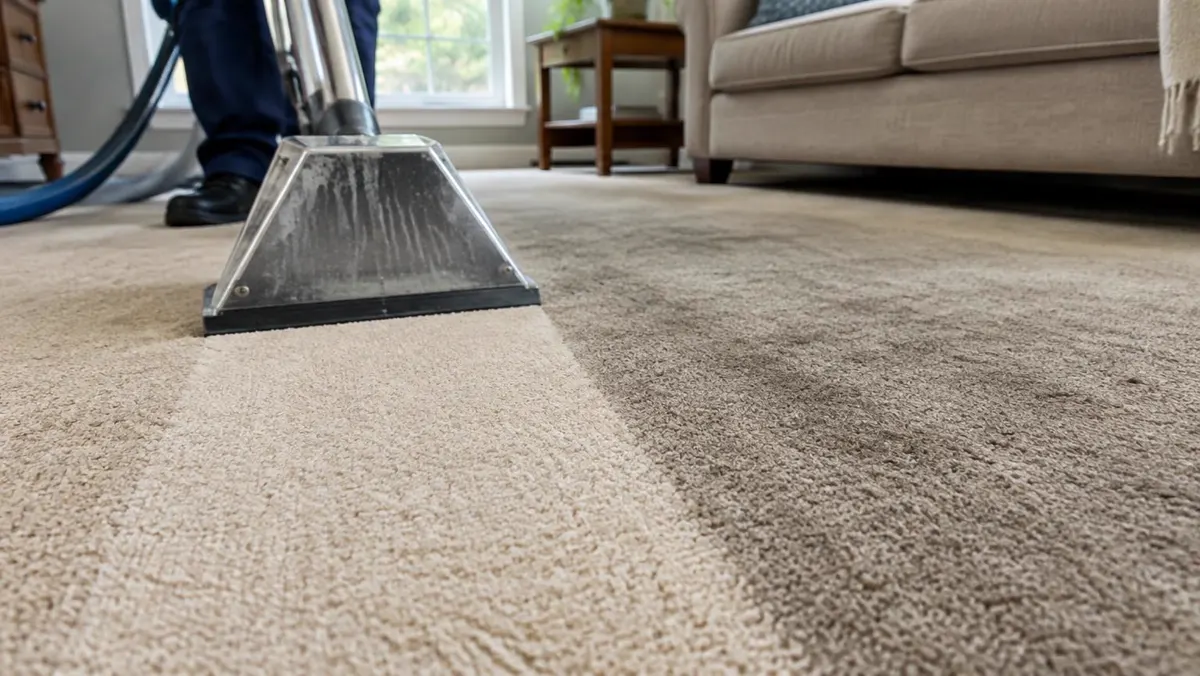
Professional carpet cleaning is defined by controlled chemistry, measured heat and agitation, and high-recovery extraction that removes soil from the full pile depth—not just the surface. The outcome is verifiable: less residue, lower re-soiling, faster drying, and fewer odor-causing contaminants left behind.
Most consumer machines are limited by lower water lift, smaller vacuum motors, and reduced heat stability, which makes it difficult to rinse detergents and suspensions completely out of the carpet. In contrast, professional processes are designed around industry principles described in modern carpet cleaning practice: pre-inspection, dry soil removal, targeted pre-treatment, agitation, extraction/rinse, grooming, and controlled drying.
- High-recovery extraction pulls suspended soil and moisture out of the pile and backing rather than pushing it deeper.
- Measured dilution and rinse steps reduce sticky residues that cause “rapid re-soiling.”
- Specialty spotting agents address tannin, protein, oil, dye transfer, rust, and urine components using the correct pH range and dwell time.
- Moisture control reduces the chance of musty smells returning from damp pad or subfloor.
Top Observable Signs It’s Time to Stop DIY and Schedule a Deep Clean
When the carpet shows repeatable visual, odor, or texture changes after normal vacuuming and two spot-treatment attempts, the issue is typically embedded soil, residue, or moisture below the surface. These are the high-confidence indicators that professional equipment and procedure are required to fully correct the problem.
1) Traffic Lanes That Look Dark or “Polished”
Dark lanes in hallways and entry paths indicate abrasive particulate has worked into the pile and is binding to oils. This grit behaves like sandpaper and accelerates fiber wear if not extracted.
- What you’ll see: gray-brown shading in the walking path, especially from front door to kitchen/living areas.
- What it usually means: soil is embedded below the tips of the fibers where household suction can’t reach consistently.
- Why pro cleaning helps: pre-spray + agitation breaks the bond; extraction removes it instead of smearing it.
2) Reappearing “Ghost Spots” and Wicking Near Edges
Persistent gray shading along baseboards or spots that return after drying often indicate wicking from the backing or pad. Without controlled rinsing and extraction, dissolved soil migrates upward as moisture evaporates.
- What you’ll see: a stain that “comes back” within 24–72 hours, especially near walls.
- Common DIY cause: over-wetting and insufficient vacuum recovery.
- Professional fix: controlled moisture, stronger recovery, and post-clean drying steps to stop upward migration.
3) Musty Odor That Returns Within 24–48 Hours
A returning musty smell is a moisture-management problem, not a fragrance problem. It commonly indicates damp pad, tack strip area, or subfloor zones that stayed wet long enough for odor-causing microbial activity to persist.
- Most common triggers: drink spills, pet accidents, wet shoes, coastal humidity, or prior DIY “steam” over-wetting.
- Why it persists: the pad holds moisture longer than the carpet surface and can continue off-gassing odors.
- What to do: prioritize extraction-based cleaning and targeted odor removal when the smell returns quickly after surface cleaning.
4) Carpet Feels Sticky, Crunchy, or Stiff
Sticky or crunchy texture is a reliable sign that residues were left behind, either from spills (sugar, soda, juice) or from detergent that was not rinsed out. Residue attracts new soil faster, which is why the carpet looks dirty again soon after cleaning.
- Sticky usually indicates surfactant or sugar residue.
- Crunchy often indicates dried beverage solids or improper DIY product use.
- Fix requires: rinse-extraction to remove the residue rather than adding more cleaner.
5) Dust Returns Fast After Vacuuming (and Allergies Rise Indoors)
When fine dust reappears quickly on furniture and allergy symptoms worsen at home, the carpet can be acting as a reservoir for particulate, dander, and pollen. High-use carpet retains debris that standard vacuuming may not fully remove, especially if filtration, brush roll performance, or vacuum seals are poor.
- Home indicators: visible dust within 1–2 days of cleaning, sneezing in specific rooms, itchy eyes, or asthma triggers.
- Carpet indicators: dullness despite vacuuming, “cloud” of dust when walking, debris visible at fiber base.
- What helps: professional extraction paired with improved post-clean maintenance (HEPA vacuum bags/filters, correct height setting).
6) Stains That Don’t Respond After Two Correct Attempts
Stains that survive two properly executed spot-treatment attempts usually involve dye, oxidation, protein setting, or sub-surface contamination. Continuing to scrub often damages fiber tips and spreads the stain footprint.
- Attempt 1 fails: indicates it’s not a simple surface spill.
- Attempt 2 fails: indicates bonding, wicking, or chemical mismatch (wrong pH/agent).
- Next step: schedule specialized stain & spot removal techniques that match the stain category.
San Diego-Specific Triggers That Make Carpets Load Faster
Local conditions influence how quickly carpets accumulate grit, salt, and biological debris. In coastal and canyon-adjacent neighborhoods, moisture and airborne particulate increase the likelihood of embedded soil, odor recurrence, and edge wicking.
- Coastal air + humidity: moisture can slow drying and increase musty-odor risk if a carpet is over-wet.
- Sand and fine grit: tracked in from beaches and outdoor paths; this accelerates wear in traffic lanes.
- Pet-heavy households: repeated small accidents can contaminate pad even when the surface looks “clean.”
- Move-in / renovation dust: drywall dust is extremely fine and can lodge deep in pile and filter into pad.
If you’re comparing approaches or timing, the practical expectations for service and care are outlined well in how often carpets should be professionally cleaned, especially for homes with pets, children, or high foot traffic.
Professional Methods You’ll Encounter (and When Each Is Appropriate)
Different professional methods exist, but not all are appropriate for every carpet, soil condition, or drying constraint. The correct selection is based on fiber type, backing, soiling load, and the presence of urine, oils, or construction debris.
Hot Water Extraction (HWE) for Full-Depth Soil Removal
Hot water extraction is the most common deep-cleaning method for heavily soiled residential carpet because it combines suspension of soil with high-recovery removal. It is especially effective for traffic lanes, general dinginess, and post-renovation particulate.
- Best for: heavy soil, widespread dullness, allergen load, sticky residues.
- Key success factor: adequate vacuum recovery + controlled drying to prevent wicking.
- Operational note: proper pre-vacuuming matters; dry soil removal reduces mud formation.
Low-Moisture Cleaning for Faster Drying Windows
Low-moisture methods use controlled application and recovery to reduce dry time and limit wicking risk. They’re useful when you need quicker access to rooms or when previous over-wetting created odor issues.
- Best for: maintenance cleaning, moderate soil, time-sensitive schedules.
- Watch-out: residue management—proper neutralization/rinse steps must be built into the process.
Decision Table: When Each Symptom Needs a Pro (and What to Request)
The table below converts common carpet symptoms into actionable service requests and local handling guidelines. Use it to describe your issue precisely when booking, so the technician arrives with the correct agents and tools.
| Feature / Metric | Specifications | Local Guidelines |
|---|---|---|
| Dark traffic lanes in hallways/entry | Embedded particulate + oily soil bonded to fiber; requires pre-treatment, agitation, and extraction rinse | Common in beach-adjacent areas due to tracked sand; place walk-off mats and remove shoes to slow recurrence |
| Reappearing spots (“wicking”) near walls | Soil migration from backing/pad during drying; needs controlled moisture + high vacuum recovery | Avoid repeated DIY soaking; use fans/AC during drying in humid coastal periods |
| Musty odor returns in 24–48 hours | Moisture retained in pad/subfloor; may require odor treatment and targeted extraction | After leaks or storms, prioritize rapid drying; if water intrusion occurred, assess for water damage response needs |
| Sticky or crunchy feel | Residue from spills or detergent; requires rinse-extraction to remove re-soiling attractants | Do not add more soap; blot with water only until service to avoid enlarging the residue zone |
| Allergy flare-ups in carpeted rooms | Fine particulate load in pile; deep extraction + improved vacuum filtration reduces reservoir effect | Use HEPA-filtered vacuuming and keep windows closed during high pollen days to reduce reloading |
| Stain remains after two attempts | Likely dye/protein/tannin/rust/urine; needs stain-specific chemistry and technique | Stop scrubbing to prevent fiber distortion; photograph the stain and note what products were used |
What to Expect During a Proper Service Visit
A legitimate professional visit follows a predictable sequence designed to protect fibers and remove soil without leaving residue. Knowing the steps helps you evaluate quality and prevents the common “looks clean today, dirty next week” cycle.
- Pre-inspection: fiber identification (nylon, polyester, wool blends), stain mapping, wear assessment, and moisture-risk zones.
- Dry soil removal: commercial vacuuming reduces particulate that would otherwise turn to slurry.
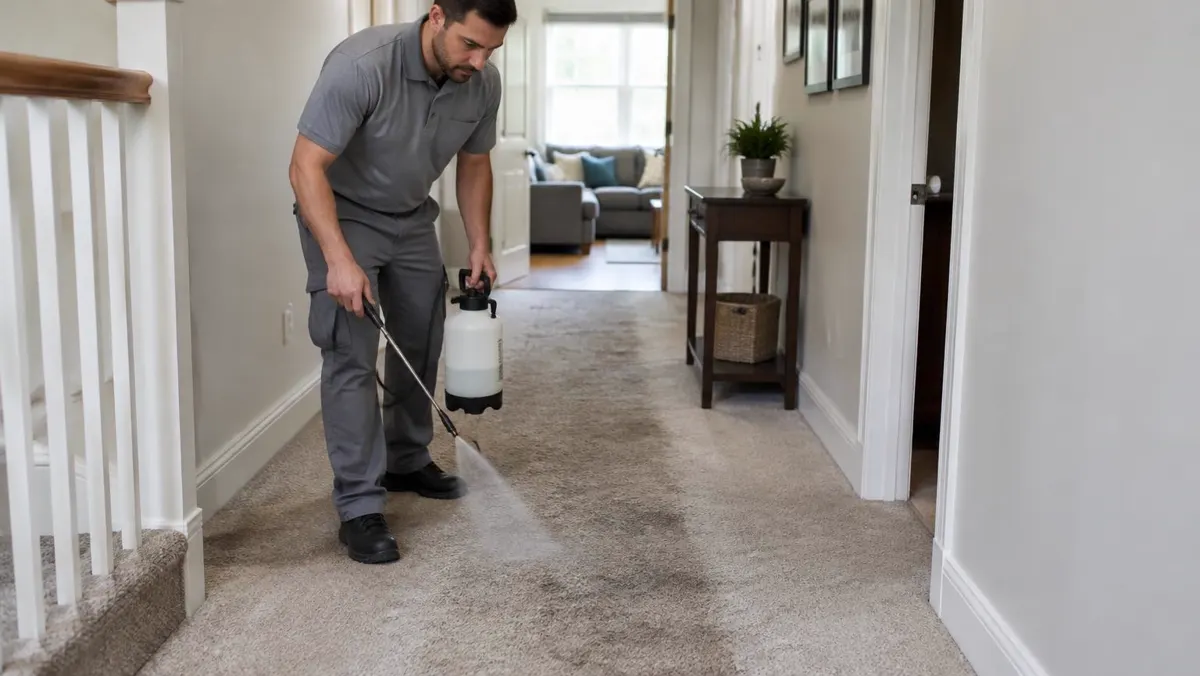
- Pre-treatment: traffic lane cleaner applied at correct dilution to emulsify oils and suspend soil.
- Agitation: grooming brush or counter-rotating agitation to lift pile and distribute solution evenly.
- Extraction / rinse: removal of suspended soils and residues; rinse step is critical for texture and reduced re-soiling.
- Spot work: targeted stain treatment based on stain category (protein, tannin, oil, dye, rust).
- Grooming + speed drying: pile set for uniform appearance; airflow recommendations to reach dry state faster.
How to Prepare (and What Not to Do) Before the Technician Arrives
Preparation improves outcomes by giving the technician access and reducing contamination during cleaning. Avoid actions that set stains, spread residues, or increase moisture retention in the pad.
- Do:
- Vacuum high-traffic areas if possible (unless instructed otherwise).
- Pick up small items, toys, and breakables from the floor.
- Write down the stain history: what spilled, when, and what products were used.
- Plan airflow: run AC or fans after cleaning if recommended.
- Do not:
- Keep adding detergent to sticky areas—this increases residue and re-soiling.
- Scrub aggressively; it distorts fibers and spreads the stain boundary.
- Soak pet accidents; over-wetting is a top cause of recurring odor.
How Often to Schedule Service for Lasting Results
Cleaning frequency should be based on load: foot traffic, pets, indoor air sensitivity, and how quickly traffic lanes appear. For most households, a predictable interval prevents fiber wear and reduces odor and allergen buildup.
- Every 6–12 months: typical homes with moderate traffic and no recurring spills.
- Every 3–6 months: high-traffic homes, multiple pets, young children, or visible traffic lane buildup.
- Immediately (as-needed): after renovation dust, move-in, repeated pet accidents, or any odor that returns within 48 hours.
Clear Signals It’s Time to Book (and What to Request on the Phone)
When you describe the problem precisely, you’re more likely to get the right process and tools on the first visit. Use symptom-based language that points to embedded soil, residue, wicking, or sub-surface odor.
- Say “dark traffic lanes” if the issue is concentrated in walk paths.
- Say “spots reappear after drying” if stains return in 1–3 days.
- Say “musty smell returns within 48 hours” if odor rebounds quickly.
- Say “sticky/crunchy residue” if the carpet texture is the problem.
- Say “pet accident area may have reached pad” if urine is suspected below the surface.
Bottom Line: Protect the Carpet, Improve Indoor Comfort, and Stop Repeat Stains
The most reliable signs that you need a professional cleaning are persistent traffic lanes, returning odor, reappearing spots, sticky residue, and rapid dust/allergen rebound after vacuuming. These symptoms point to embedded soil, detergent residue, wicking from below, or moisture retained in the pad—conditions that routine household equipment is not designed to fully remove.
Scheduling deep cleaning on a consistent interval, adjusting for pets and traffic, and addressing odor or staining with the correct extraction and treatment method prevents accelerated fiber wear and keeps rooms looking and smelling normal between visits.
Frequently Asked Questions
Stop Guessing. Get Your Carpets Truly Clean (Not “Looks Clean Until It Dries”).
If your carpet has dark traffic lanes, spots that vanish then reappear, a musty smell that comes back within 48 hours, or that sticky/crunchy feel that makes everything look dirty again fast—DIY isn’t failing because you didn’t try hard enough. It’s failing because most consumer machines can’t maintain consistent heat, don’t have the vacuum lift to recover moisture from the backing, and rarely rinse thoroughly enough to remove residue.
And that’s where the real risk lives.
- Over-wetting can drive moisture into the pad—the fastest way to create wicking, recurring stains, and that “why does it still smell?” problem.
- Detergent residue acts like a dirt magnet, causing rapid re-soiling that makes you clean more often and wear the fibers out faster.
- Scrubbing and the wrong spotters can permanently damage the pile, set protein stains, or spread the stain boundary into a bigger, uglier footprint.
- Embedded grit keeps grinding away at the fibers every time you walk on it—shortening the life of the carpet long before it should be replaced.
If you want the problem handled the right way the first time—proper pre-treatment, controlled agitation, true extraction, residue-managed rinsing, and moisture control—bring in a local pro who does this every day and knows what San Diego conditions do to carpets.
Leave a Reply
You must be logged in to post a comment.