



Executive Summary
The carpet cleaning process is typically a predictable, step-by-step service that starts with inspection and stain planning, followed by deep cleaning using the right method for your carpet type, and ends with moisture removal and clear aftercare guidance. Results and drying time depend on fiber type, soil level, chosen cleaning method, and how well moisture and residues are controlled.
Key Takeaways
- A clear, repeatable timeline: Most visits follow a consistent flow—walk-through, prep, pre-treatment, deep cleaning, detail work, and grooming—usually completed on-site in about 1–2 hours.
- Inspection sets realistic expectations: Technicians assess fiber type, construction, seams, soiling patterns, and stain categories to choose safe chemistry and explain what can and cannot be improved.
- Method choice affects results and dry time: Hot water extraction is often best for deep soil removal but dries slower, while low-moisture methods dry faster and are commonly used for maintenance or quick return-to-use needs.
- Pre-treatment drives stain improvement (with limits): Targeted solutions, dwell time, and agitation can greatly improve many stains, but damage like bleach spots, dye loss, burns, or fiber deterioration cannot be “cleaned out.”
- Drying and aftercare protect the outcome: Faster, safer drying comes from airflow and humidity control, and best results last longer when traffic is limited, furniture is managed carefully, and vacuuming resumes after full drying.
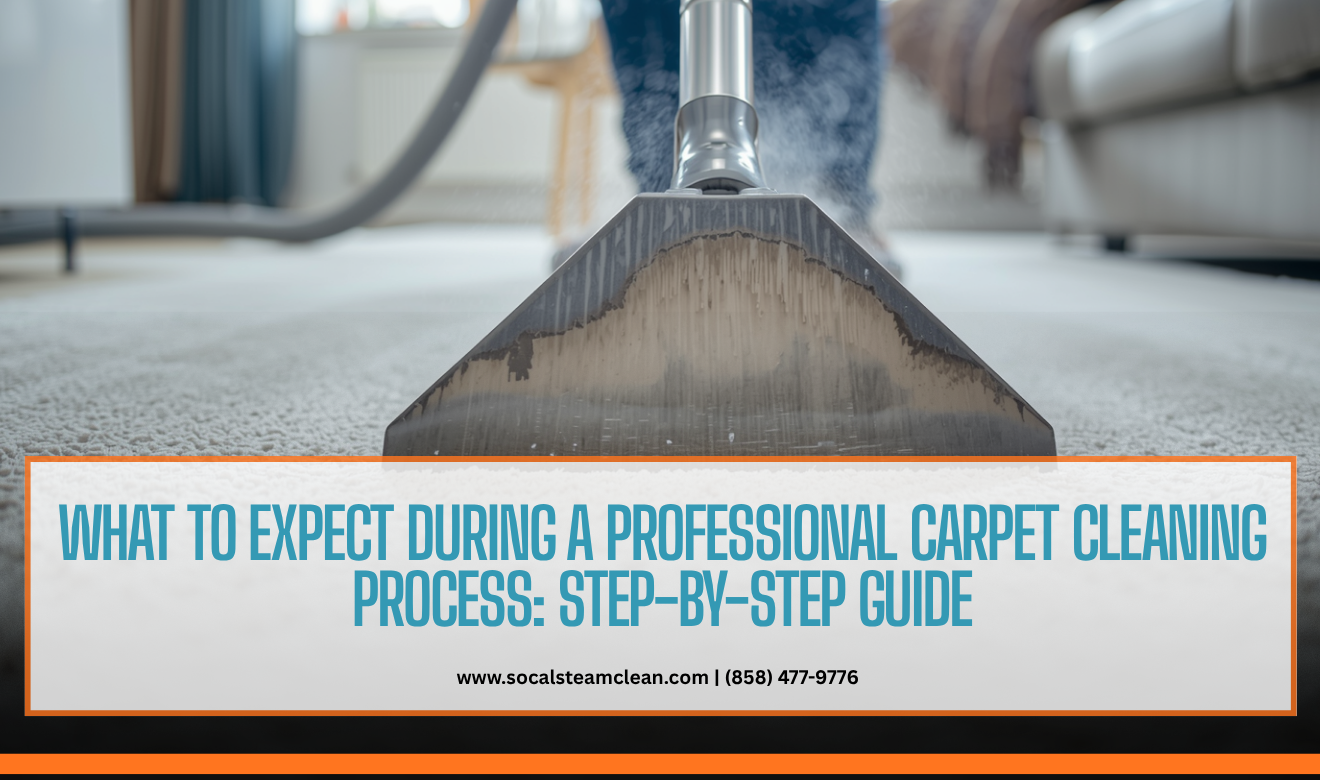
What to expect during carpet cleaning process is a clear, step-by-step service: the technician inspects your carpet, pre-treats stains, deep-cleans with professional equipment, and then helps set you up for faster drying. You’ll usually see them check high-traffic lanes, point out spots like coffee spills or pet accidents, and confirm any delicate areas (such as wool rugs or carpet seams) before they start.
In most homes, the process begins with a quick walk-through and prep, like moving small items, placing corner guards, and doing targeted spot treatment on visible stains. Next comes the deep clean—often with hot water extraction or low-moisture cleaning—where you may hear powerful suction and see dirty water being pulled out. Afterward, they’ll do a final pass to remove extra moisture, groom the carpet so it dries evenly, and give simple aftercare tips, like keeping kids and pets off the area for a few hours and avoiding heavy furniture until the carpet is fully dry.
What to Expect During Carpet Cleaning Process: a quick timeline from arrival to dry time
If you’re trying to plan your day, what to expect during carpet cleaning process is usually predictable. Most appointments follow a simple flow:
- Arrival + walk-through (5–15 minutes): inspection, questions, and setting expectations.
- Prep + pre-treatment (10–25 minutes): moving light items, vacuuming (if needed), applying spot and traffic-lane treatments.
- Deep cleaning (20–60+ minutes): hot water extraction or low-moisture cleaning, depending on carpet type and soil level.
- Detail work (10–20 minutes): edges, stubborn spots, deodorizer (if requested), and a final extraction pass.
- Grooming + aftercare tips (5–10 minutes): resetting pile direction and advising on dry time and re-entry.
For most rooms, what to expect during carpet cleaning process is a total visit of about 1–2 hours, with drying time afterward depending on humidity, airflow, and how heavily soiled the carpet was.
How technicians assess your carpet before cleaning
The inspection is not just a formality—it’s where a technician decides the safest and most effective approach. What to expect during carpet cleaning process at this stage includes checking:
- Fiber type: nylon, polyester, olefin, wool, or blends (wool and some natural fibers need extra caution).
- Construction: cut pile vs. loop pile (loop can snag; cut pile can show wand marks if not groomed).
- Backing and seams: loose seams, ripples, or prior repairs that could be sensitive to moisture.
- Soiling pattern: high-traffic lanes, filtration soil along baseboards, and entryway grit.
- Spot identification: protein-based stains (food/pet), tannin stains (coffee/tea), oils/grease, dyes, rust.
Many “surprise” outcomes (like a stain not fully disappearing) are actually predictable during this inspection. A key part of what to expect during carpet cleaning process is the technician explaining what is likely to improve vs. what may be permanent (for example, bleach damage or dye loss can’t be cleaned back in).
How the home is prepared (and what you should do before they arrive)
Home prep is where you can save time and help results. What to expect during carpet cleaning process often includes the crew doing basic protection steps, but you can make the visit smoother by handling a few items yourself.
What the technician typically does
- Places corner guards to protect walls and door frames from hoses.
- Uses drop cloths or clean mats at entry points.
- Moves small/light furniture (varies by provider; heavy items may be left in place).
- Applies pre-spray to traffic lanes and visible stains.
What you can do in 15 minutes beforehand
- Pick up clutter (toys, cords, small tables, pet bowls) so every area can be cleaned evenly.
- Vacuum quickly if you can—especially if there’s heavy pet hair (it helps extraction work more efficiently).
- Point out known issues: pet accidents, prior water leaks, or areas that re-spot after cleaning.
- Plan a path for pets and kids to stay off damp carpet.
When people ask what to expect during carpet cleaning process, this “prep” part is also where you’ll confirm priorities—like focusing on living room traffic lanes or targeting a few specific spots.
What cleaning method is used (hot water extraction vs. low-moisture) and why it matters
Two common professional approaches are hot water extraction (often called “steam cleaning,” though steam is not always used) and low-moisture/encapsulation. What to expect during carpet cleaning process depends heavily on which method is chosen.
| Method | Best for | What to expect during carpet cleaning process |
|---|---|---|
| Hot water extraction | Deep soil removal, heavy traffic lanes, many food/pet-related issues | Pre-spray, agitation, hot rinse + strong vacuum extraction; longer dry time but thorough rinse |
| Low-moisture (encapsulation) | Maintenance cleaning, offices, quicker return-to-use needs | Polymer solution, machine agitation, soil captured for later vacuuming; faster dry time |
| Bonnet / pad cleaning (low moisture) | Surface appearance improvement (not ideal for deep soil) | Rotating pad absorbs soil near the surface; may not flush residues deeply |
| Specialty/rug-safe methods | Wool, delicate rugs, dye-sensitive fibers | Lower heat, controlled moisture, careful chemistry; slower, detail-focused work |
For readers who want more background on the overall category of methods, carpet cleaning is a helpful overview of common techniques and terminology.
How stain pre-treatment works (and which stains may not fully come out)
Pre-treatment is where most “wow” moments happen—but it’s also where limits are set. What to expect during carpet cleaning process for stain work usually includes:
- Spot testing: checking colorfastness and fiber response in an inconspicuous area.
- Targeted chemistry: different products for tannins (coffee/tea), proteins (milk/blood/pet), oils/grease, and dyes.
- Dwell time: allowing the solution to break up the stain before rinsing/extraction.
- Gentle agitation: brushing or machine agitation to lift soil without damaging fibers.
Common results to expect (realistic outcomes)
- Great improvement: fresh food/drink spills, traffic-lane soil, many pet-related soils (especially when treated early).
- Partial improvement: old stains that have been repeatedly “DIY’d,” wick-back stains from pad contamination, or heavy grease.
- Not removable by cleaning: bleach spots, permanent dye loss, some ink/dye transfer, burns, and fiber deterioration.
A big part of what to expect during carpet cleaning process is a technician being upfront that cleaning removes soil and many stains—but it cannot reverse physical damage or missing dye.
What you’ll hear, see, and smell during deep cleaning
People often worry the process will be disruptive. In reality, what to expect during carpet cleaning process is mostly manageable household noise and a few visible steps:
- Noise: truck-mounted or portable equipment can be loud; suction is often the noisiest part.
- Hoses and tools: hoses may run from a van/portable unit; you’ll see a wand or rotary tool moving in slow passes.
- Dirty water recovery: especially with extraction, you may see discolored water in recovery tanks—this is normal and often the “proof” of soil removal.
- Light fresh scent: many pre-sprays are mildly scented, but “strong perfume” isn’t a requirement for clean carpet.
During what to expect during carpet cleaning process, the technician may also do extra dry passes. That’s a good sign: more vacuum strokes typically mean less residual moisture.
How long drying takes (and how to speed it up safely)
Dry time is one of the most searched topics tied to what to expect during carpet cleaning process. Drying depends on airflow, humidity, carpet thickness, and method used.
Typical drying ranges
- Hot water extraction: commonly several hours, sometimes longer in humid conditions or with plush carpet.
- Low-moisture methods: often faster, sometimes within a couple of hours.
Fast, safe ways to reduce dry time
- Run ceiling fans and HVAC (cool or dry mode helps with humidity control).
- Open windows if outdoor humidity is low; otherwise keep the home closed and conditioned.
- Use box fans to push air across the carpet surface (not straight down).
- Avoid walking on damp carpet with bare feet (body oils can attract soil); use clean socks if needed.
If you want a deeper breakdown specifically on drying expectations, this guide helps: how long carpets take to dry after cleaning. Knowing dry time is a key part of what to expect during carpet cleaning process, especially if you’re scheduling around work, kids, or pets.
Cost factors: what changes the price of professional carpet cleaning
Pricing varies by region and by what’s included. Instead of quoting a number that may not match your area, here’s what to expect during carpet cleaning process when it comes to the factors that usually affect cost:
- Square footage / number of rooms: larger areas take more time and solution.
- Soil level: heavy traffic lanes and neglected carpet typically require extra pre-treatment and slower passes.
- Stain treatment add-ons: pet accidents, dye stains, or rust removal may require specialty steps.
- Carpet type: wool and delicate fibers often need specialized methods and slower drying control.
- Access: stairs, high-rise access, long hose runs, or limited parking can add labor time.
When evaluating quotes, what to expect during carpet cleaning process should include clarity on what’s included: pre-vacuuming, spot treatment limits, furniture moving policy, deodorizer options, and whether protector is offered.
Why reappearing spots happen (and how pros prevent them)
“The stain came back” is one of the most common frustrations tied to what to expect during carpet cleaning process. Two usual causes are:
- Wicking: spill residue in the pad migrates upward as the carpet dries.
- Residue/overuse of DIY soap: sticky residue attracts soil, making the area darken again.
Professional prevention typically includes:
- Thorough extraction (multiple dry passes).
- Rinse steps that reduce leftover detergent.
- Targeted treatment that addresses the spill source, not just the surface.
Understanding reappearing spots is part of what to expect during carpet cleaning process, especially in homes with prior DIY cleanings or repeated pet accidents.
What to do after cleaning (first 24 hours)
The “aftercare” is where you protect the results. What to expect during carpet cleaning process includes being told a few simple rules:
- Limit traffic until carpet is dry; if you must walk on it, use clean socks.
- Keep pets off damp carpet to prevent re-soiling and odor transfer.
- Wait to replace furniture until fully dry; if you must set it back sooner, use foil or plastic tabs under legs to prevent wood stain or rust transfer.
- Delay vacuuming until dry; then vacuum to lift the pile and remove any loosened, dried particulate.
If you’re planning a broader refresh (like addressing lingering smells in multiple rooms), pairing carpet work with professional Odor Removal in San Diego can help treat odor sources rather than masking them. This is often part of what to expect during carpet cleaning process in pet homes or after smoke/water events.
What results you can realistically expect (appearance, hygiene, and indoor air)
Results depend on carpet age, fiber type, and how long soils sat in place. That said, there are measurable reasons professional cleaning matters. For example, the U.S. Environmental Protection Agency (EPA) notes that carpets can trap pollutants like dust, allergens, and other particles, and that proper cleaning can help manage indoor contaminants in occupied spaces.
In practical terms, what to expect during carpet cleaning process is usually:
- Appearance improvement: traffic lanes lighten, patterns look more even, pile stands up better after grooming.
- Odor reduction: especially when soil and residues are fully extracted (note: odor from the pad/subfloor may require specialty treatment).
- Better feel underfoot: removal of grit reduces the “crunchy” feel and can help slow wear (grit acts like sandpaper on fibers).
A quick real-world example: heavy traffic lanes vs. isolated stains
Here’s a common scenario that helps set expectations. In a family room where the main walkway is darkened, what to expect during carpet cleaning process is that traffic lanes often respond very well to pre-spray + agitation + hot water extraction because the “stain” is typically embedded soil. By contrast, an isolated spot (like an older red drink spill) may improve but not fully vanish if dye has bonded to the fiber or if prior DIY chemicals set the stain.
This difference—soil load vs. dye damage—is why inspection and clear communication are central to what to expect during carpet cleaning process.
Trust signals: how to choose a qualified carpet cleaner
Because cleaning involves chemistry, fibers, and moisture control, qualifications matter. What to expect during carpet cleaning process with a well-trained professional is careful fiber ID, safe spot testing, and a method matched to your carpet—not a one-size-fits-all approach.
- Look for recognized training: many reputable technicians pursue certification through the IICRC (Institute of Inspection, Cleaning and Restoration Certification), a widely recognized credentialing body in the cleaning and restoration industry.
- Ask about method and dry time: a clear explanation is a sign of competence.
- Confirm insurance and policies: especially for commercial work, stairs, and high-value rugs.
Fresh-Carpet Feeling, Minus the Guesswork
Once you know what to expect during carpet cleaning process, the whole service becomes easier to schedule and easier to evaluate: inspection first, stain planning second, deep cleaning with the right method, and then moisture removal plus aftercare. If your technician explains limitations up front, uses professional-grade extraction or low-moisture tools appropriately, and gives you a realistic dry-time plan, you’re set up for the best possible result.
For peace of mind, prioritize providers with formal industry training (such as IICRC certification), documented experience with multiple carpet fibers (including wool and specialty rugs), and a clear process for spot testing, residue control, and drying management—because that’s ultimately the most reliable indicator of what to expect during carpet cleaning process every time.
Frequently Asked Questions
Ready for a Carpet Clean You Can Actually Plan Around?
If you want the “what happens next” part to be crystal clear—from inspection and spot treatment to deep extraction and a realistic dry-time game plan—SoCal Steam Carpet makes the process simple, straightforward, and results-focused. Reach out to schedule your cleaning, ask about the best method for your carpet type, and get a no-surprises plan for stains, traffic lanes, and faster drying.