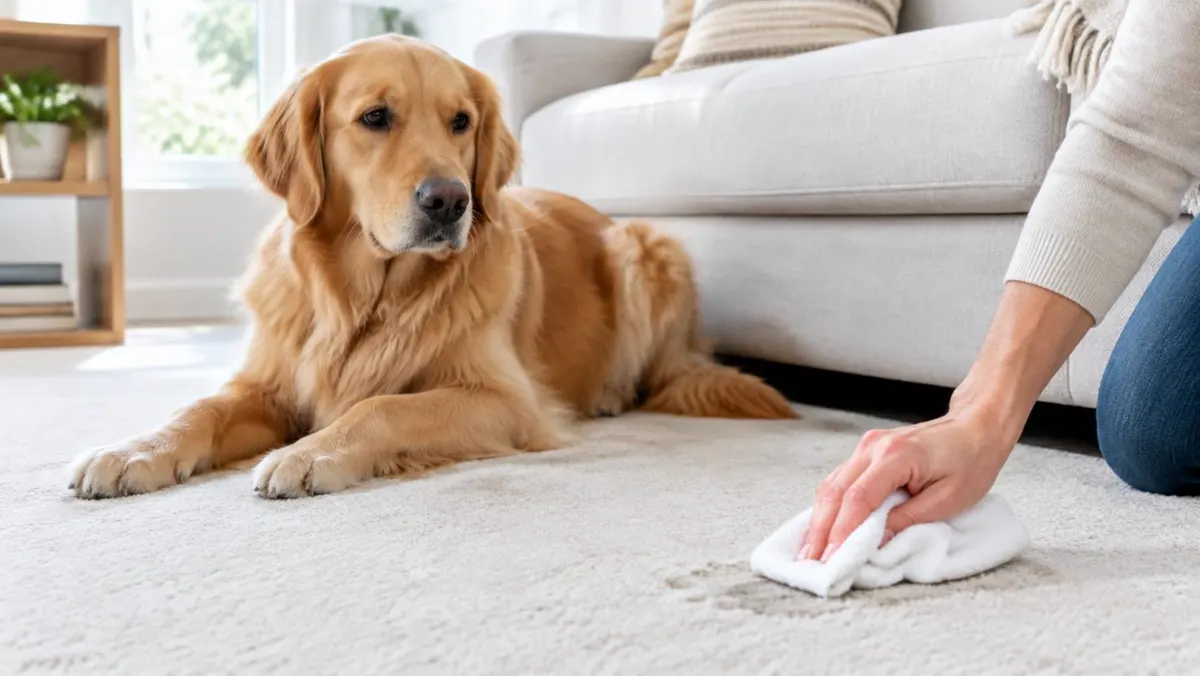
how carpet cleaning improves indoor air quality

Executive Summary

Carpet cleaning can improve indoor air quality by removing dust, allergens, and fine particles that accumulate deep in carpet fibers and get re-released into the air during everyday activity. The biggest air-quality benefits come from deep removal methods, residue control, and fast drying that prevents moisture-related issues.

Key Takeaways

  • Carpets act like particle reservoirs: When not cleaned, carpets store allergens, fine dust, and residues that can become airborne again with walking, vacuuming, or general movement.
  • Deep cleaning removes what vacuuming leaves behind: Professional-style extraction targets embedded particulate matter and allergen buildup that standard surface vacuuming may not fully remove.
  • Hot water extraction is often best for air-quality goals: When paired with thorough pre-vacuuming, strong recovery, and quick drying, it tends to provide the most effective removal of fine particles and allergens.
  • Drying speed determines whether cleaning helps or harms: Overwetting or slow drying can increase odor and microbial risk, so controlled moisture and fast airflow are essential for air-quality improvements.
  • Cleaning frequency should match household conditions: Homes with pets, kids, high traffic, or allergy/asthma triggers generally benefit from more frequent deep cleanings to reduce recurring airborne irritants.

Yes—carpet cleaning can improve indoor air quality by removing dust, allergens, and particles that get trapped deep in the fibers. When carpets are left untouched, every step can stir up fine debris like pet dander, pollen, and dust-mite matter, sending it back into the air you breathe. That’s how carpet cleaning improves indoor air quality in real life: less buildup in the carpet means fewer irritants becoming airborne.

For example, if you have a dog, the carpet can hold onto dander and outdoor pollen tracked in on paws, even when the room looks “clean.” If someone in the home has allergies, those particles can trigger sneezing or a stuffy nose, especially after walking across the room or vacuuming too quickly. Deep cleaning helps pull out what regular surface vacuuming often leaves behind, making the air feel fresher and reducing what gets kicked up during daily activity.

What happens to indoor air when carpets aren’t cleaned?

If you want a practical way to understand how carpet cleaning improves indoor air quality, start with what carpets do all day: they act like a giant filter. The catch is that filters need maintenance. Without it, the “filter” becomes a storage area for irritants that get re-released into the air.

Over time, carpets can accumulate:

  • Allergens (pet dander, pollen, dust-mite debris)
  • Fine dust and outdoor soil tracked in on shoes
  • Smoke and cooking residues that cling to fibers
  • Mold-supporting moisture after spills, high humidity, or slow drying

The U.S. Environmental Protection Agency (EPA) notes that indoor air can be more polluted than outdoor air and that pollutants can build up indoors due to limited ventilation. Carpets can contribute to that buildup when they hold particles that get disturbed during normal activity. That’s a core reason how carpet cleaning improves indoor air quality shows up in day-to-day comfort—less material in the carpet means less material available to become airborne.

How carpet cleaning improves indoor air quality (step-by-step)

Here’s the simple, featured-snippet-friendly answer: how carpet cleaning improves indoor air quality is by removing the particles and residues that carpets trap, reducing the amount that gets kicked up into the breathing zone.

1) It removes deeply embedded particulate matter

Vacuuming helps, but embedded grit and fine particles can cling to fibers. Deep cleaning (often using hot water extraction) physically removes what’s below the surface. Less debris in the carpet = fewer irritants to re-enter the air. This is one of the most direct ways how carpet cleaning improves indoor air quality plays out in homes with kids, pets, and high foot traffic.

2) It reduces allergen reservoirs

Dust-mite allergens and pet dander don’t just sit on top of the carpet; they settle downward. Professional-grade extraction and thorough rinsing can pull out allergen reservoirs that typical household tools may leave behind—another key mechanism for how carpet cleaning improves indoor air quality.

3) It helps control odors that “ride” on particles

Many odors aren’t just smells—they’re attached to residues and microscopic particles. Removing the source material can make a room smell fresher without masking agents. That’s also part of how carpet cleaning improves indoor air quality, because stale odor often indicates leftover contaminants.

4) It reduces the chance of microbial growth when done correctly

Moisture is the risk factor. If carpets stay damp for too long, they can support mold or bacterial growth. Proper cleaning methods plus fast drying reduce that risk. In other words, how carpet cleaning improves indoor air quality depends heavily on doing the job in a way that avoids overwetting and promotes quick dry times.

What type of carpet cleaning is best for air quality?

Not all methods affect air quality the same way. If your goal is how carpet cleaning improves indoor air quality, focus on methods that remove (not just redistribute) soil and allergens.

Method How it impacts indoor air Best use case
Hot water extraction (steam cleaning) Deep removal of fine particles/allergens when paired with strong vacuum recovery Allergy concerns, pets, high-traffic areas
Low-moisture encapsulation Can reduce downtime; relies on post-vacuuming to remove crystallized soil Maintenance cleaning, offices, fast turnarounds
Shampoo/bonnet (surface methods) May leave residue if not rinsed; can attract soil and worsen re-soiling Short-term appearance improvement (not ideal for allergens)
DIY rental machines Often weaker extraction; higher overwetting risk → longer dry times Small areas if used carefully, with fast drying

For most households focused on how carpet cleaning improves indoor air quality, hot water extraction is often the best “reset,” especially when paired with thorough pre-vacuuming and fast drying.

Why vacuuming alone doesn’t fully solve the problem

Vacuuming is essential, but it’s not the whole strategy behind how carpet cleaning improves indoor air quality. Here’s why vacuuming may fall short:

  • Embedded grit stays put and can damage fibers, holding onto additional soil.
  • Allergen particles are tiny; removal depends on vacuum design, filtration, and technique.
  • Sticky residues remain (spills, body oils, cooking aerosols), which can bind dust to fibers.

EPA guidance on indoor air quality frequently emphasizes source control—removing the pollutant source rather than trying to “filter it out later.” Deep cleaning is source control for carpets, which is exactly how carpet cleaning improves indoor air quality in a measurable, practical way.

How often should you clean carpets for better indoor air?

Frequency depends on who lives in the home and how the carpet is used. If you’re optimizing how carpet cleaning improves indoor air quality, use a schedule that matches real-life conditions:

General frequency guidelines

  • Every 12 months: Low-traffic homes, no pets, no allergy concerns
  • Every 6–12 months: Average homes with regular foot traffic
  • Every 3–6 months: Pets, kids, frequent guests, or allergy/asthma triggers

Between deep cleanings, aim for weekly vacuuming (more in high-traffic lanes) and quick spill response. Consistency is what makes how carpet cleaning improves indoor air quality noticeable over time rather than just right after a cleaning.

What are signs your carpet is hurting your indoor air quality?

If you’re trying to decide whether how carpet cleaning improves indoor air quality applies to your situation, look for these common red flags:

  • Allergy symptoms spike indoors (sneezing, itchy eyes, congestion)
  • Musty or “stale” odor that returns quickly after airing out
  • Visible dust or lint appearing soon after cleaning surfaces
  • Dark traffic lanes where soil is ground into fibers
  • Past leaks or repeated spills that may have soaked into padding

These signs don’t prove the carpet is the only cause, but they strongly suggest you’ll benefit from the mechanisms behind how carpet cleaning improves indoor air quality.

How to get the air-quality benefits without creating new problems

Ironically, poor cleaning practices can temporarily worsen air or create moisture issues. To maximize how carpet cleaning improves indoor air quality, focus on the details that matter:

Before cleaning

  • Vacuum slowly (multiple passes in both directions) to pull out dry soil first.
  • Address odor sources (pet spots, spills) with targeted treatment.
  • Improve ventilation (open windows if outdoor air quality is good).

During cleaning

  • Avoid overwetting: too much water can push contamination into the pad.
  • Use effective extraction: strong recovery matters as much as cleaning solution.
  • Skip heavy fragrance masking if sensitivities exist.

After cleaning (this is where many benefits are won or lost)

  • Dry fast: run fans/AC, increase airflow, and limit foot traffic.
  • Replace HVAC filters on schedule (MERV ratings should match your system’s capability).
  • Vacuum again later once fully dry, especially after encapsulation-style maintenance.

Fast drying is critical. The Institute of Inspection, Cleaning and Restoration Certification (IICRC) standards and training emphasize controlling moisture and preventing conditions that could lead to microbial growth—supporting the idea that how carpet cleaning improves indoor air quality is tied to proper technique, not just “getting it wet.”

Cost: What does professional carpet cleaning usually cost, and is it worth it for air quality?

Pricing varies by region, room count, and carpet condition, so it’s best to get a written estimate. In many U.S. markets, professional carpet cleaning is typically priced by the room or by square footage, with add-ons for stain treatment, pet odor remediation, or protective treatments.

Value-wise, people usually feel the return in two places:

  • Comfort: fewer odors and that “dusty” feeling after walking through a room
  • Health triggers: fewer airborne irritants stirred up from carpet reservoirs

If allergies, pets, or heavy traffic are part of your daily life, that’s where how carpet cleaning improves indoor air quality tends to be most noticeable and most “worth it.” If you’re also dealing with stubborn smells, pairing deep cleaning with targeted Odor Removal in San Diego can help address the source rather than covering it up.

Why pets, kids, and high-traffic homes see bigger air-quality improvements

Households with more activity create more particle load and more opportunities for contaminants to get ground into the carpet. That’s why how carpet cleaning improves indoor air quality can feel dramatic in these homes.

Real-life example: a “clean-looking” carpet that isn’t clean

  • A family vacuums weekly, but the dog goes in and out daily.
  • Pollen and fine soil get tracked in and settle deep into the pile.
  • Walking across the living room re-aerosolizes the finest particles.

Deep extraction pulls out that embedded material so less gets kicked back into the air during normal life—exactly how carpet cleaning improves indoor air quality in a practical, repeatable way.

What “clean” really means: residues, particles, and filtration

It helps to understand what carpet cleaning is designed to remove. The broader field of carpet cleaning includes multiple methods, but the air-quality goal is consistent: remove the pollutant load and leave the carpet in a stable condition (no sticky residues, no prolonged dampness).

To keep results longer and reinforce how carpet cleaning improves indoor air quality:

  • Use entry mats and consider a shoes-off habit.
  • Vacuum with good filtration (HEPA filtration is helpful for fine particles).
  • Control humidity (many indoor air quality resources recommend keeping indoor humidity in a moderate range to discourage dust mites and mold).
  • Clean upholstery too if symptoms persist—soft surfaces share the same particle-trapping behavior as carpet.

How to choose a carpet cleaning approach that supports indoor air quality

If your primary goal is how carpet cleaning improves indoor air quality, ask questions that focus on removal, drying, and residue control:

  • What method will be used (hot water extraction vs. surface cleaning)?
  • How will dry soil be removed first (thorough pre-vacuuming)?
  • What is the drying plan (air movers, ventilation, realistic dry times)?
  • Will there be a rinse step to reduce residue?
  • Are technicians trained to recognized standards (e.g., IICRC principles for cleaning and drying)?

For a deeper dive into practical upkeep between professional visits, see carpet cleaning tips that help reduce the amount of debris that ends up airborne in the first place.

A Fresh-Air Finish: What to remember for long-term results

How carpet cleaning improves indoor air quality comes down to one repeatable idea: remove what the carpet is storing so it can’t be stirred back into the air. The biggest gains typically come from (1) deep removal of fine particles and allergens, (2) residue-free cleaning, and (3) fast, controlled drying.

To keep that “clean air” feeling longer:

  • Vacuum consistently and slowly, especially in traffic lanes
  • Schedule deep cleaning based on pets, allergies, and foot traffic
  • Dry carpets quickly after any wet cleaning or spill
  • Prioritize technicians who follow industry best practices

From an EEAT standpoint, the most reliable benchmark is whether the work aligns with established cleaning and restoration principles, including IICRC-based training concepts: proper soil removal, correct chemistry, controlled moisture, and verification that the carpet is left clean, residue-light, and dry. That’s the professional backbone behind how carpet cleaning improves indoor air quality—and why the difference can be felt every time you walk across the room.

Frequently Asked Questions

Does carpet cleaning improve indoor air quality?
Yes. Carpet cleaning improves indoor air quality by removing dust, allergens, and fine particles trapped deep in the fibers, so there’s less material available to get stirred back into the air when people walk across the room or vacuum.
Can dirty carpets make allergies worse?
They can. Dirty carpets can hold pet dander, pollen, dust-mite debris, and smoke/cooking residues; normal foot traffic can re-aerosolize the finest particles, which may trigger sneezing, congestion, or itchy eyes—especially for allergy or asthma sufferers.
What type of carpet cleaning is best for indoor air quality?
Hot water extraction (often called steam cleaning) is typically best for indoor air quality because it’s designed for deep removal of fine particles and allergens—especially when paired with thorough pre-vacuuming, strong vacuum recovery, and fast drying.
How often should carpets be professionally cleaned for better air quality?
A common guideline is every 12 months for low-traffic homes, every 6–12 months for average households, and every 3–6 months for homes with pets, kids, frequent guests, or allergy/asthma triggers. Weekly slow vacuuming and quick spill cleanup help maintain results between deep cleanings.
Can carpet cleaning make indoor air quality worse?
It can temporarily if done poorly. Overwetting, weak extraction, heavy fragrance masking, or slow drying can leave moisture and residues behind, which may contribute to odors or microbial growth. To avoid this, use effective extraction, avoid soaking the pad, and dry the carpet quickly with airflow and ventilation.

Breathe Easier at Home—Let’s Get Those Carpets Truly Clean

If you’re dealing with allergies, pets, or that “why does it still feel dusty?” problem, a deep, residue-free carpet cleaning can make a noticeable difference in how your home feels day to day. SoCal Steam Carpet can help pull out the trapped debris regular vacuuming leaves behind—then dry it fast, the right way—so you get the air-quality benefits without the moisture risks. If you’re ready for a fresher, cleaner reset, reach out for a quote and a cleaning plan that fits your home.

Leave a Reply